
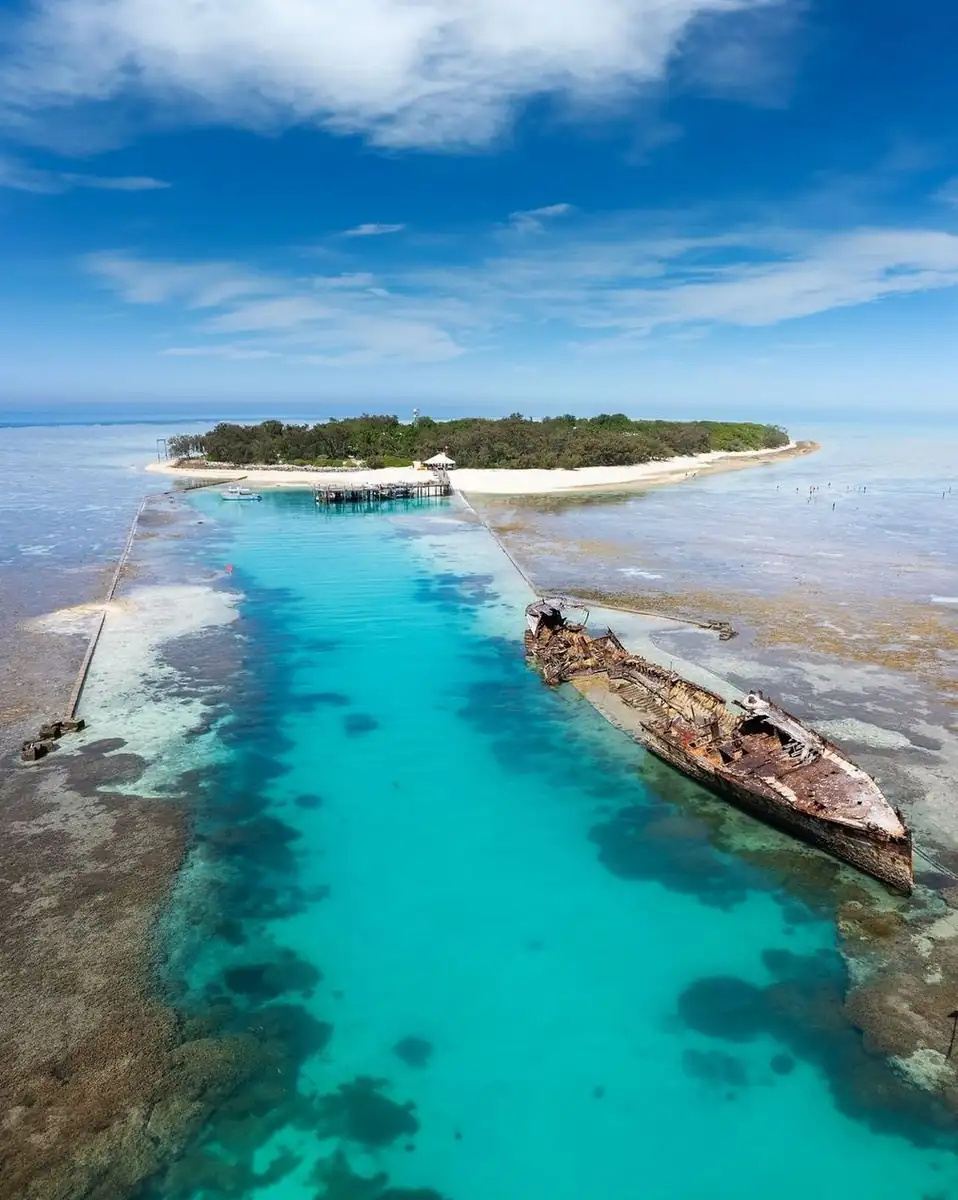
How wet weather can turn your dream Great Barrier Reef trip on its head is the question that keeps landing in my inbox every single year during the Cairns Wet Season. The weather forecast shows tropical showers, someone does a quick Google search for “cyclone watch”, and suddenly the dream of snorkelling the reef starts to feel a bit shaky. Let’s put this one to rest right now: wet weather can spoil the party, but it doesn’t have to ruin your holiday altogether – you just need to be a bit more laid back, flexible, and realistic.
I’m Paul, and I’ve spent years helping people navigate the ups and downs of North Queensland’s green season. And let me tell you, this time of year is nothing to be feared – the reef just changes pace a bit. If you understand the local climate, the way the water temperatures change, and what the sea’s like, you can still have a blast snorkelling the coral gardens in the Coral Sea with perfectly serviceable water visibility. Don’t get me wrong, it’s not the same as during the dry season in February, but it’s not the end of the world either.
So let’s get down to brass tacks.
Understanding The Green Season Before Booking
North Queensland’s got just two main seasons: the dry season (May to October) and the wet season (November to April). The Cairns Wet Season is basically part of the cyclone season, so you can expect monsoonal rains, warmer sea temperatures and higher humidity.
That’s all it means, though – it’s not a guarantee of constant rain. More often than not, you’ll get:
- Lovely sunshine in the mornings
- A few tropical showers are building up in the afternoons
- Storms are passing through pretty quickly
- The humidity is going up a bit
- And surface conditions are changing fast
Water temperature-wise, you’re looking at 28-30°C during the green season. It’s a bit like stepping off a boat and into a warm pool – lovely! Those warmer water temperatures also kick off some pretty cool coral spawning events – the ones where the coral polyps release gametes into the water after that big full moon in late spring. It’s one of the most amazing sights on the reef.
It’s just the way the seasons work – not bad luck.
What Rain Actually Does To The Water Visibility
Now, here’s where things can get a bit tricky, and people’s expectations often go a bit awry.
Rain itself doesn’t simply make the water murky on the reef. The problem is river runoff. When the monsoons really start to pour down on places like the Daintree River catchment, all that sediment and dirt flows out into the inshore reefs.
On the other hand, the outer reef systems – like Agincourt Reef and Moore Reef – are a bit further offshore and tend to do okay with water visibility.
Typical Visibility Comparison
| ☁️ Conditions | 🏝️ Inshore Reefs (Low Isles, Green Island) | 🌊 Outer Reef (Agincourt Reef, Moore Reef) |
|---|---|---|
| Dry Season | 15–25 metres | 20–30 metres |
| Light Tropical Showers 🌦️ | 8–15 metres | 15–25 metres |
| Heavy Monsoon Runoff 🌧️ | 2–8 metres | 10–20 metres |
If crystal-clear snorkelling is your thing, choose operators that go to the Outer Reef from Cairns or Port Douglas. Companies like Great Barrier Reef Tours usually give you a super detailed site briefing so you know exactly what you’re getting into and what to expect.
I’ve personally snorkelled Agincourt Reef after a week of inland rain and still managed to get 18 metres of visibility – and let me tell you, location makes a huge difference.
Cyclone Season: The Lowdown
Cyclone season runs from November to April, and the truth is, it’s not all doom and gloom. During cyclone watch periods, operators are glued to their marine weather apps, keeping a very close eye on wind speed and surface currents.
If a cyclone system is heading your way…
- Boat tours tend to get cancelled.
- Reef Pontoons close their doors.
- Helicopter flights ground to a halt.
- Safety takes priority over schedules, no question.
That’s just the way it is.
But the reality is, full shutdowns don’t happen every week – they are closely monitored. Reputable operators never take any chances with passenger safety.
And while cyclones can cause some damage to shallow coral gardens, they also do a great job of cooling the sea temperature and mixing the ocean layers – so nature gives itself a bit of a reset in the process.
Marine Stingers and Warm Water Months
In the green season, Marine Stingers are out in force in northern waters, and that includes Box jellyfish and Irukandji. Most reef tours provide a stinger suit – and it’s a good idea to wear it, no need to be a hero.
Marine Stingers are more common in inshore areas, particularly near river mouths, and places like that. Outer Reef sites tend to have lower concentrations.
Here are some Reef Safety Tips I like to go over every summer:
- Don’t forget to wear the stinger suit they provide.
- If you’re not a confident swimmer, use the flotation gear they give you.
- Listen up during the Marine Biologist‘s safety briefing – it’s really important.
- Use reef-safe sunscreen, or you might regret it.
- If you do get stung, report it straight away.
With all these precautions, swimming can be pretty safe.
Snorkelling vs Scuba Diving in Wettish Conditions
If the wind is picking up and you’re snorkelling, it’s not always a smooth ride. Stronger winds can make the surface choppy, and you’ll notice the movement.
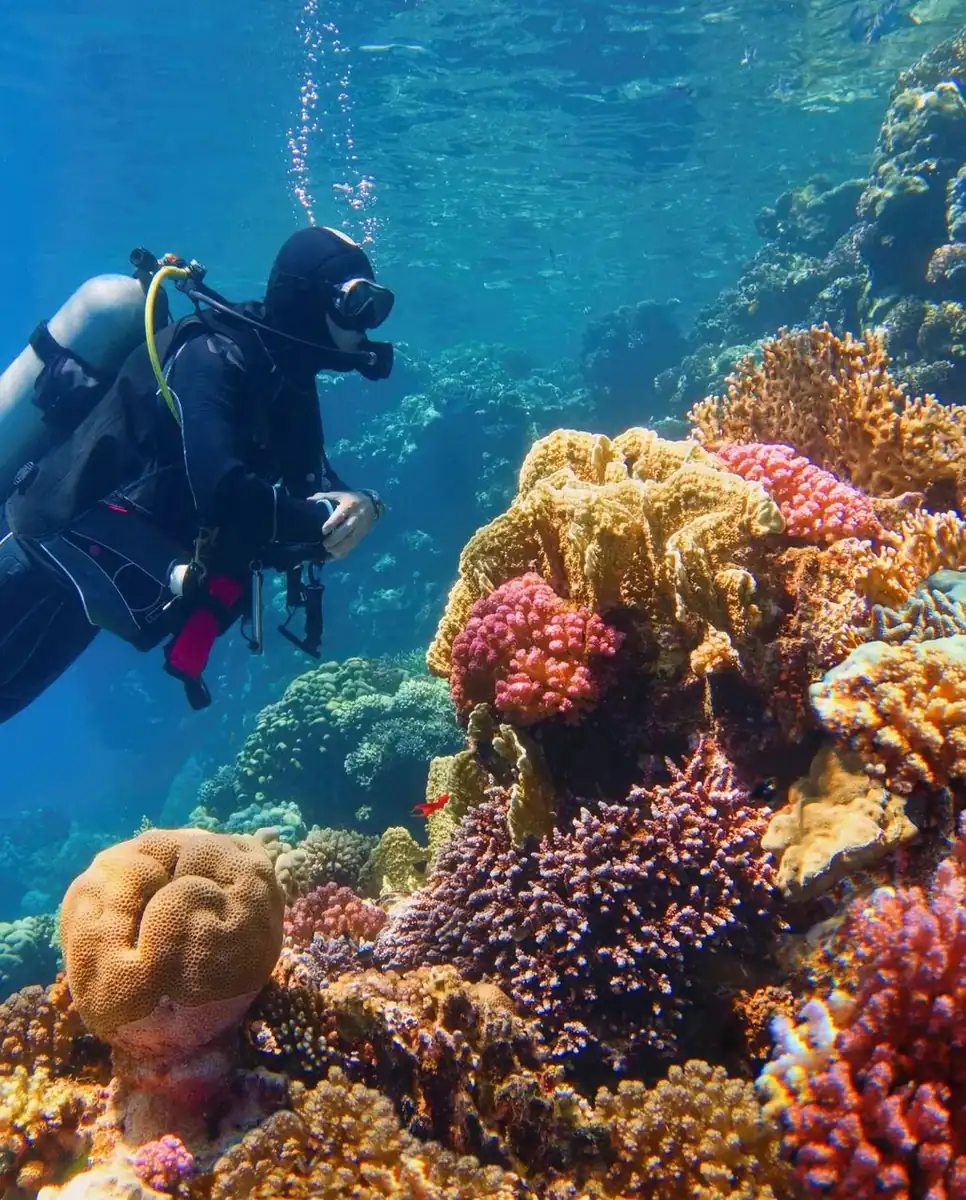
Scuba diving is a bit more comfortable because, once you’re down below, surface currents don’t bother you as much. Introductory scuba dive sessions on Reef Pontoons are a great way to get some practice in a controlled environment with experienced instructors.
If swimming isn’t really your thing, there are plenty of alternatives:
- Glass-bottom boat trip
- Underwater observatory platforms – they’re pretty cool.
- Helmet diving – great for those who are nervous.
- Guided pontoon tours with supervised snorkel equipment
Pure Snorkelling operators focus on guided reef swims, which is exactly what they do. Choose an operator that suits your comfort level, simple as that.
Marine Life to Look out for During the Wet
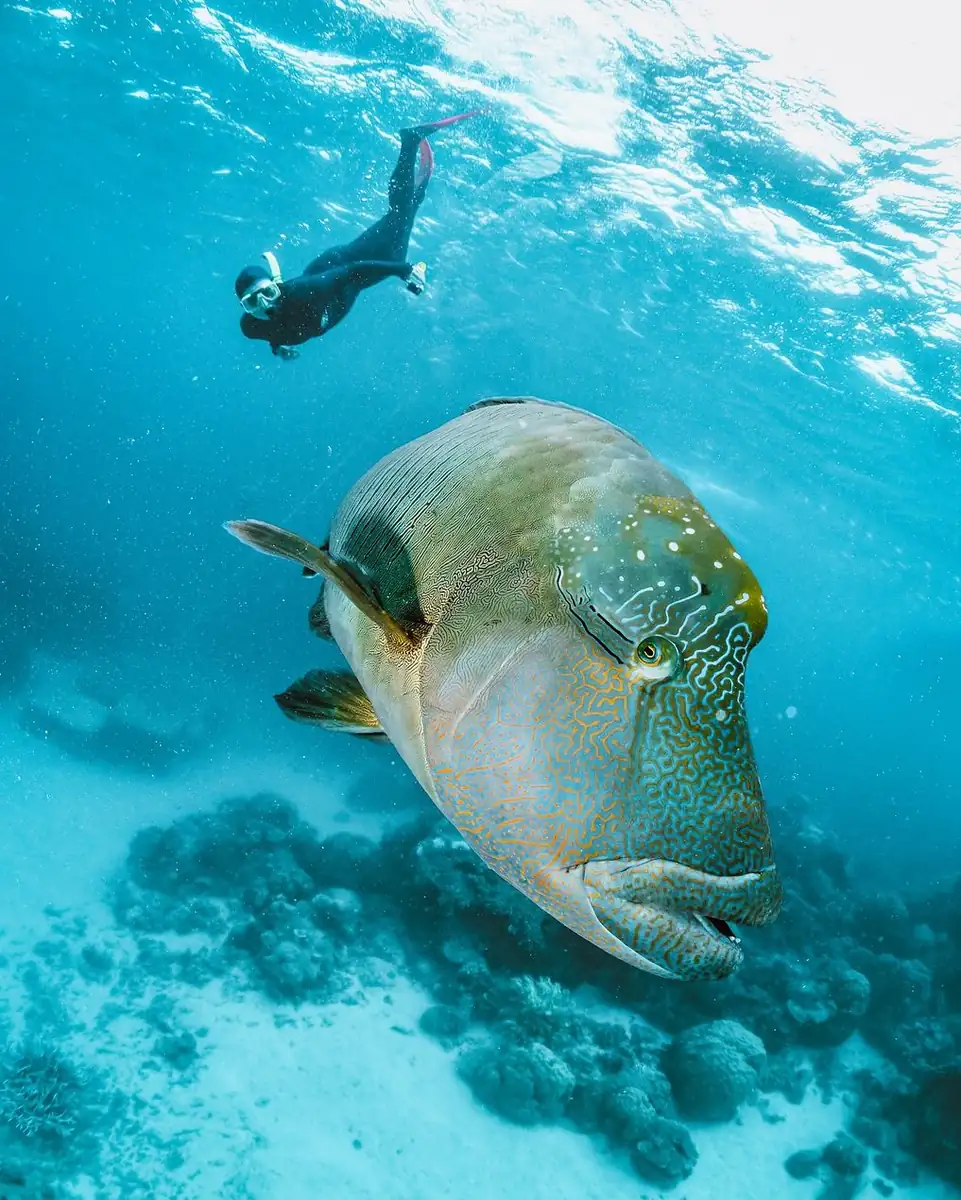
With the warmer water temps, marine wildlife is pretty active all year round.
Some of the creatures you might spot include:
- Reef sharks
- Coral trout
- Green sea turtles
- Schools of pelagic fish – they’re always a great sight.
Turtle breeding season kicks off roughly November through March – and it’s amazing to see the hatchlings popping out on islands like Green Island and Fitzroy Island.
But if whales are your thing, the dry season (June to September) is when humpback whales come back to the region. Dwarf Minke Whales appear in the winter months. If you’re after the whales, green season isn’t the best time – a separate tour focused on the whales is a much better bet.
Coral Health, Climate Change And Warm Seasons
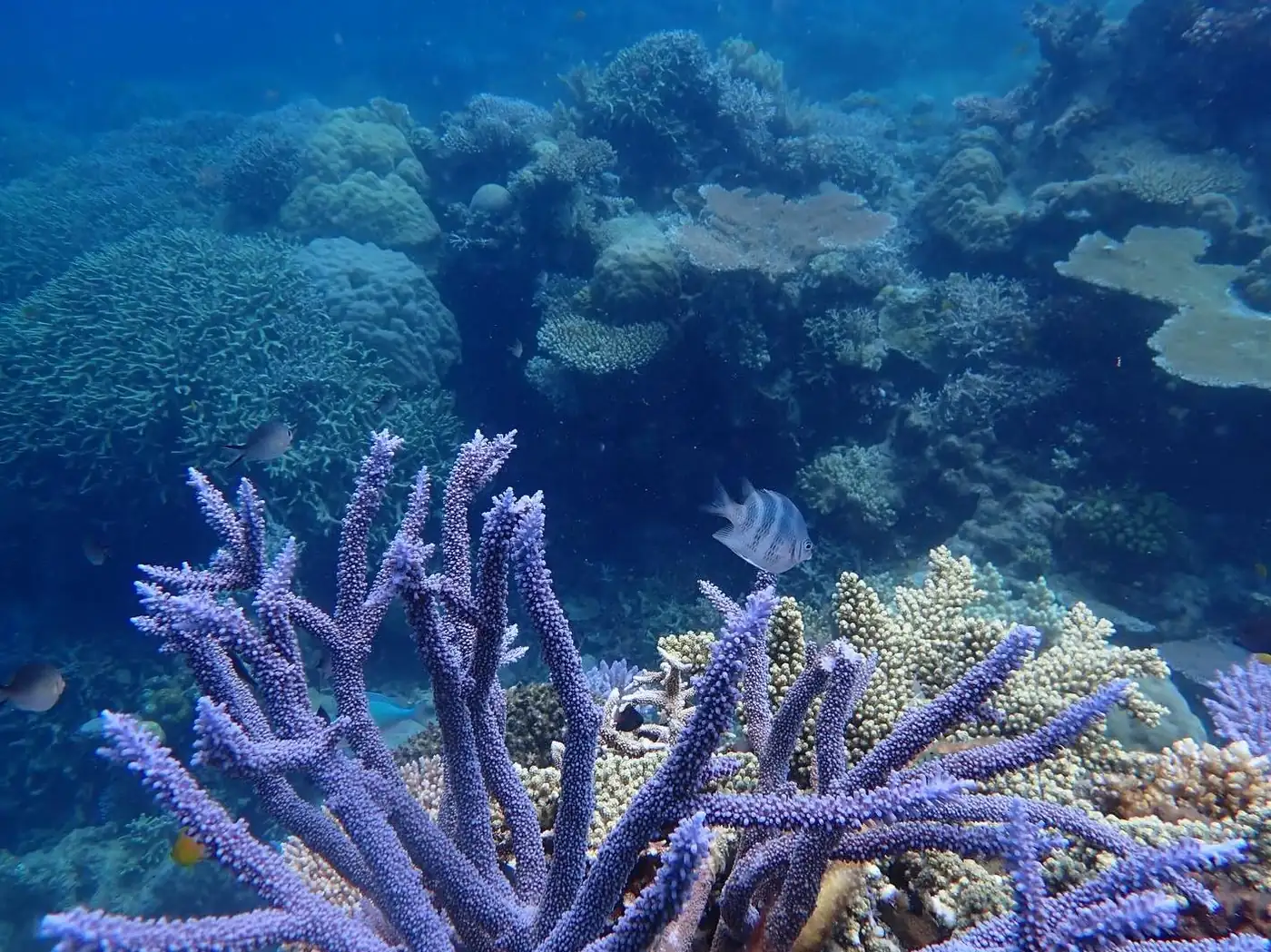
Climate change has a nasty effect on sea temperatures – it’s one of the reasons we’ve seen mass coral bleaching events on big chunks of the reef. When water temperatures stay high for too long, they stress coral polyps big time.
Some reef conservation groups have started setting up coral nurseries in a few choice spots to help get things regrowing. A small bit of extra cash from tourists via something called the reef tax helps keep the good work going.
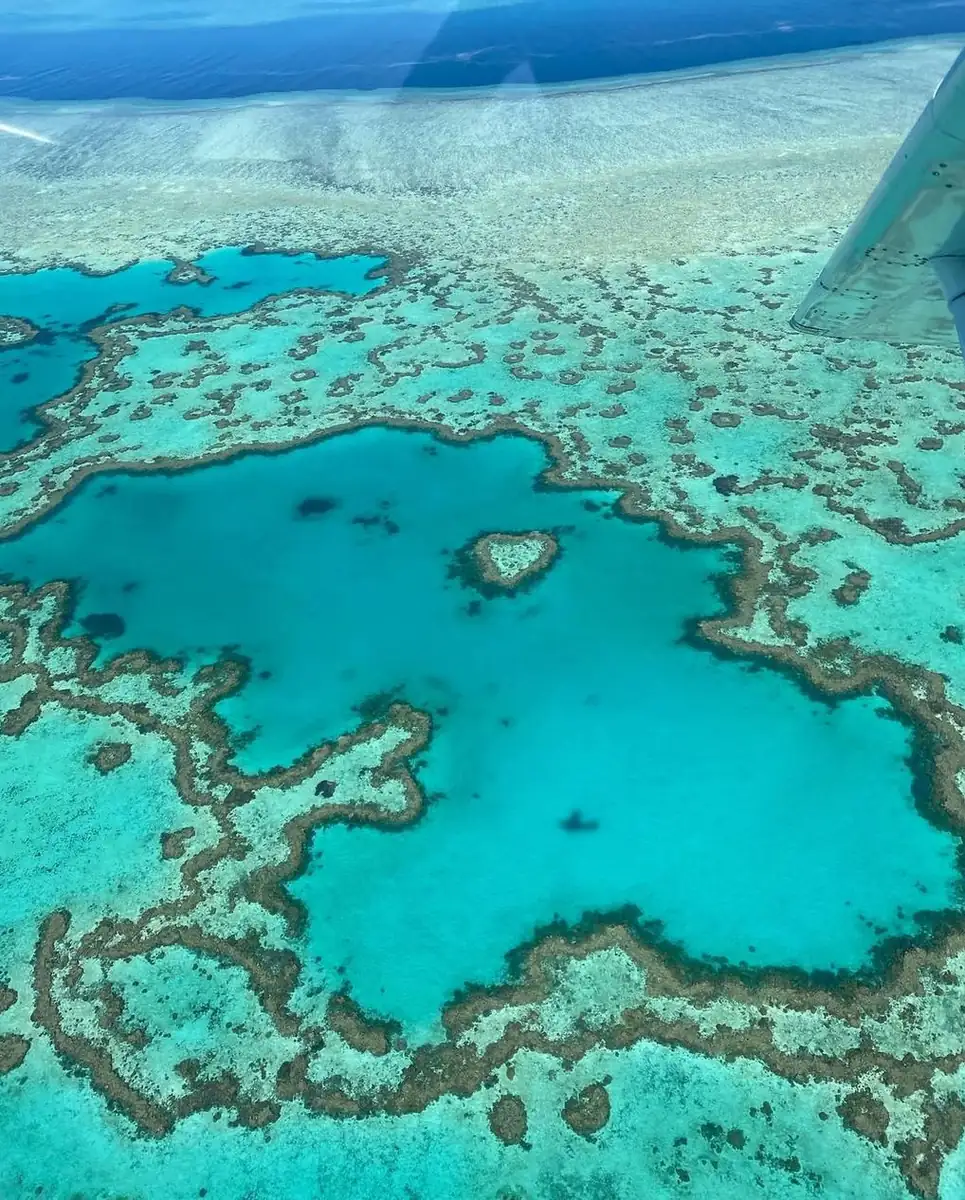
The reef is a massive 2,300 km long – and sadly thats not all areas get hit equally hard by bleaching. Stuff like how deep you are, and where you are, and the way the ocean moves, all play a part – and can even reach as far as Papua New Guinea.
There’s no easy story to tell here – it’s all a bit too complicated for one of those ‘headline grabbers’
Why Green Season Can Be Ideal
Let’s look on the bright side – things aren’t always as bad as they seem.
There are actually some pretty decent reasons to visit when the green season is in full swing:
- Snorkelling groups are smaller, so there’s less chance of bumping into a load of other people in the water
- You might even get a better spot on the dive boats – because there aren’t as many people out there.
- And if you book in time, there are some pretty good deals on accommodation to be had in Port Douglas.
- Even some of the restaurants downtown might have a little more room in them
The rainforest around the Atherton Tablelands looks like it really comes to life after a bit of rain – and the Barron Falls are actually roaring – not just a tiny trickle. And if you fancy getting out into the water, white water rafting is a real thrill – you can still get out into the ‘outback’ too, even if the weather does get a bit dodgy.
If a trip to the reef gets cut short by bad weather, the good news is you can still have a great time – alternatives like Fitzroy Island, Frankland Islands or even a Daintree River cruise can all help keep things moving.
I know of people whove managed to time their trips just right so they can catch a reef trip and then head off to K’gari to see the whales later on in the year – the key is just being a bit flexible with your plans.
Key Launch Points Along The Coast
You have a few options to get out to the main reef action spots:
- Cairns
- Port Douglas
- Airlie Beach
- Townsville
From Airlie Beach, boat tours can take you out to Hamilton Island and Whitehaven Beach. And if the weather is looking good, you can even take a scenic chopper ride from the reef pontoons.
From Cairns and Port Douglas, operators will take you to the likes of Agincourt Reef, Moore Reef and Low Isles – and there are all sorts of Coral Sand Cays scattered about in the Coral Sea.
Cost Differences Between Seasons
Wet season pricing often dips.
| 📅 Item | ☀️ Dry Season Average | 🌧️ Green Season Average |
|---|---|---|
| Reef Day Tour 🚤 | $220–$300 | $170–$240 |
| 4-Star Accommodation 🏨 | $300–$450 | $180–$280 |
| Scenic Helicopter Flight 🚁 | Premium | Often discounted |
Prices vary by operator, but flexibility often rewards you.
Practical Planning Advice From Experience
- Book reef activities early in your stay. That gives you buffer days to reschedule if wind speed spikes.
- Check marine weather apps daily. Focus on wind speed more than rainfall totals.
- Choose Outer Reef sites during unsettled weather.
- Build at least one spare day into a five-day itinerary.
- Expect tropical showers. Celebrate sunshine windows.
Final Thoughts: Work With The Weather, Not Against It
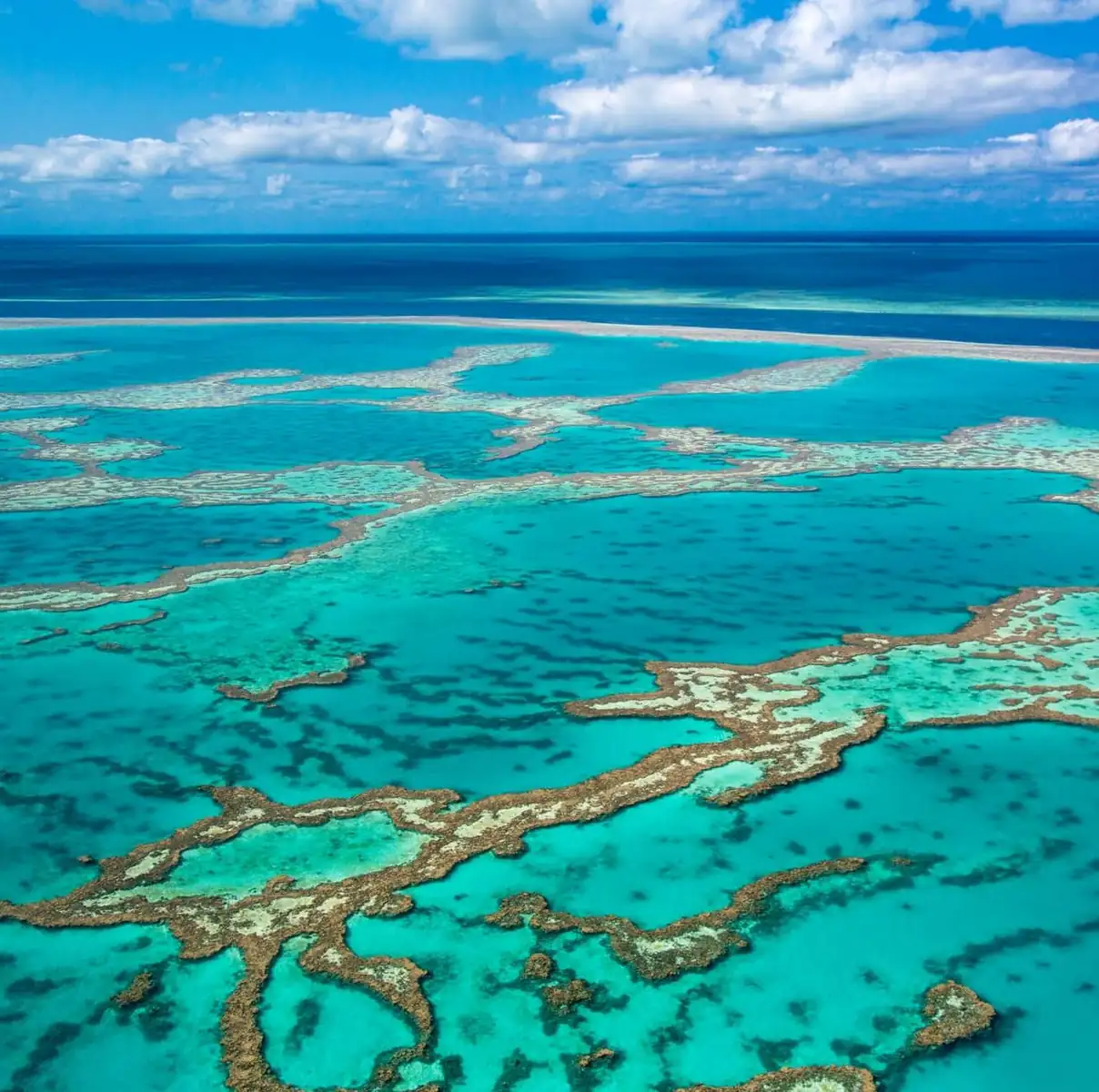
Wet weather changes your reef experience — but it doesn’t cancel it.
Understand the tropical climate. Monitor wind speed. Choose Outer Reef operators like Great Barrier Reef Tours. Wear your stinger suit. Accept tropical showers as part of the seasonal climate.
If whales are your priority, plan a Remote K’gari and Whale Experience Tour during peak Humpback Whale migration instead of expecting Humpback Whales in February on the reef.
The Coral Sea runs on its own rhythm. When you plan around that rhythm rather than fighting it, you still swim among coral gardens, spot green sea turtles, and surface grinning.
That’s the difference between disappointment and a properly planned tropical adventure.
FAQ
Does heavy rain automatically ruin reef visibility?
No. Outer Reef systems typically maintain clearer water unless severe flooding pushes sediment offshore.
Are boat tours frequently cancelled in summer?
Only during severe weather or cyclone warnings. Most days operate safely.
Is it safe to swim during the Marine Stingers season?
Yes, when you wear a stinger suit and follow crew instructions.
Is scuba diving preferable to snorkelling in choppy conditions?
Often yes, because conditions stabilise below the surface.
Is the green season cheaper overall?
Generally, yes. Accommodation and certain tours often offer reduced pricing outside peak dry-season months.